The short version
NDVI — the Normalized Difference Vegetation Index — compares how much near-infrared light a plant reflects against how much red light it absorbs. Healthy, actively photosynthesizing plants reflect a lot of near-infrared and absorb red, so they score high. Stressed, sparse, or senescing plants score lower. The math is simply (NIR − Red) / (NIR + Red), producing a value from −1 to 1.
What it's genuinely good for
- Spotting stress early — uneven emergence, drainage problems, or pest/disease pressure often show up in NDVI first.
- Directing scouting — walk the zones the map flags instead of the whole field.
- Tracking change over time — repeat flights show whether a problem is recovering or spreading.
What it does NOT do
- It doesn't tell you why a zone is stressed — water, nutrients, pests, and compaction can look similar. NDVI points you to where; ground-truthing tells you why.
- It saturates in dense canopy — once a crop is thick, NDVI stops separating "healthy" from "very healthy." That's where NDRE does better.
- It isn't a yield guarantee or a prescription by itself — it's an input to your agronomic decisions.
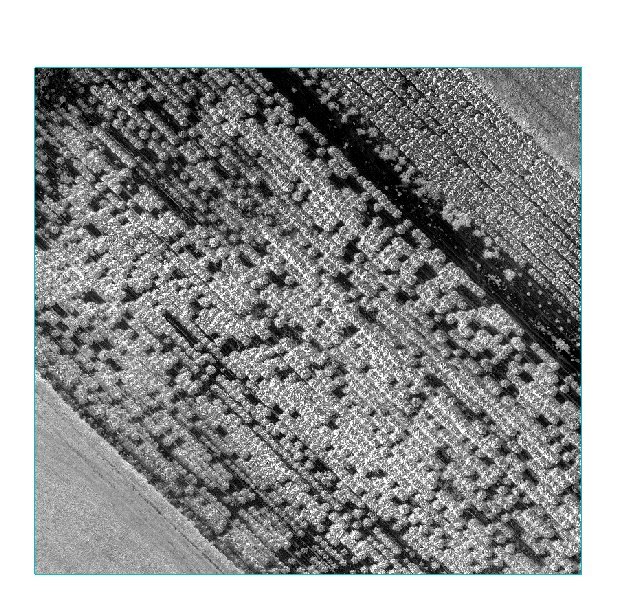
We fly a multispectral sensor, process the imagery into calibrated NDVI/NDRE maps, and deliver them through your secure portal so you can compare flights across the season. The map is the start of a conversation with your agronomist — not a replacement for one.